
-
Carrying a backpack that exceeds 10% of the student’s weight could cause serious health problems, such as back, neck and shoulder pain, as well as muscle contractures, poor posture (kyphosis) and even lateral deviation of the spine (scoliosis), warned the Social Health Insurance (EsSalud) in a press release.
Specialists indicate that it should not exceed 10% of the student’s weight.
In this regard, Dr. Jeanette Borja Arroyo, head of the Pediatric Rehabilitation Service of the Edgardo Rebagliati Martins Hospital, recommended parents to be careful with the weight and correct use of school bags to avoid health problems in their children.
The weight of the school bag should not exceed 10% of the student’s weight. In other words, if the child weighs 40 kilos, he/she should not carry more than 4 kilos».
In the same way, the specialist explained that a bad distribution of weight when using the backpack, such as always carrying it on the same side, will produce overload on a single shoulder and half of the student’s body, thus generating the alteration of the spinal column axis.
Therefore, he pointed out to parents when buying a backpack, to take into account that the width of the backpack should not be wider than the student’s shoulders and that the bottom edge of the backpack should reach about 5 cm above the waist.
He also said that the back of the backpack and the shoulder straps should be padded and have an adjustable strap at waist height, so that it is as close to the student’s back or lower back as possible.
If you choose to purchase suitcases with wheels, especially for kindergarten and elementary school children, the handle of the suitcase must be adjusted to the height of the student’s waist and the way to carry it is to push it forward with both hands and avoid dragging it with only one hand from behind.
He asked parents to be alert to any postural problems in their children and to take them to a specialist for evaluation, diagnosis and timely treatment, in order to avoid further complications for the stages of youth and adulthood.
SOURCE: DIARIO LA REPUBLICA – PERU MARCH 13, 2018
-
Kyphosis is an exaggerated exaggerated curvature of the dorsal spine, it is the typical hump that forms in the upper back. Physiological dorsal kyphosis: 20-40º. It should be clarified that the spine presents physiological curvatures that are normal and necessary for the proper functioning of the body. As a general rule, when the curvature of the spine is 45º or more, we can speak of «kyphosis».
In addition to this prominent curvature, kyphosis entails:
- Anterior enlargement of the vertebrae (posteriorly deviated nucleus pulposus).
- Elongated posterior ligaments.
- Elongated and inhibited erector spinae muscles.
- Flattened ribs and thorax, deficits in normal ventilation.
- Forward projection of the head, craniocervical compensation.
- Backward projection and prominence of the scapulae.
- Shoulders in antepulsion (pectoral retraction).
- Lumbar compensation: Hyperlordosis.
- Forward pelvic tilt: anteversion.
There are 4 clinical pictures that usually involve dorsal hyperkyphosis:
- Congenital defective attitudes of the dorsal spine: appear in infancy, infantile kyphosis.
- Scheuermann’s disease : Aseptic necrosis of the epiphyseal cartilages of the vertebral plates affecting young people of growing and developing age.
- Postmenopausal spinal osteoporosis.
- Ankylopoietic spondylitis.
Kyphosis
Treatment of kyphosis:
- If there is pain: electrotherapy or thermotherapy techniques (TENS, US, OC, MO…).
- Therapeutic massage with an antalgic and proprioceptive purpose
- Respiratory reeducation
- RPG y pilates
Exercises to correct dorsal curvature or kyphosis:
Pelvic tilt: Lying on your back, with your legs bent and separated at the height of your hips, try to move your pelvis making it tilt back and forth. We imagine that we have a clock in the lower abdomen. First we bring the pubis to 12 o’clock, then to 6 o’clock.
THORACIC PARAVERTEBRALS: Lying face down. Extend the legs at the same time that we perform a spine extension bringing the arms towards the heels.
ROMBOIDS: Lying face down, we raise our arms open and perpendicular to the trunk, so that the scapulae are joined. After holding this position for a few seconds, slowly lower them again (Pilates: The swimmer).
MEDIUM TRAPECIUM: Lying face down, shoulders at 90º, elbows at 90º. Raise the arms so that the scapulae are joined. Similar to the previous exercise.
SERRATO MAJOR: Sitting, arms stretched forward at shoulder height with elbows bent at 90 degrees. Take a dumbbell and stretch your elbows upward at least 15 times.
ABDOMINALS: To work on the abdominals we recommend some exercises from pilates.
- Pelvis curl (Bridge)
- Roll up
- Column rotation
- Bitter pyramid
GLUTES: Lying face down, we put our arms stretched above our head. Lift the opposite arm and leg upward, lengthening, moving away from the center and causing an extension of the spine.
As kyphosis is the result of compensation for an increase in lumbar curvature, the lower back should be stretched. Lying on your back, raise your legs and bend them. Bring the knee to the chest, raising the head off the floor. Hold for a few seconds and return. It is also recommended to stretch the anterior musculature.
Hygienic measures to compensate for kyphosis:
- Correct standing positions
- Continuous physical activity: Swimming (backstroke), Yoga, Pilates…
- Contraindicated sports: Cycling, motorcycling…etc.
Exercises that are detrimental to kyphosis are all those that require kyphosis postures or trunk flexion. Orthopedic corsets will be used to combat kyphosis if it is not corrected by the physiotherapist. As a last treatment, we will resort to surgery.
As a final thought we advise you to follow a multidisciplinary treatment, not only leave all the work to the physiotherapist who treats you, but also work hard on the exercises that will help you to stabilize and correct this common pathology called kyphosis.
SOURCE: FISIOLUTION.COM
-
When buying a backpack for a child, it is important to consider several factors to ensure that it is comfortable, safe and practical.
Here are some key aspects to consider:
Size and capacity of the backpack: it must be appropriate for the child’s age and height. It should not be too big or too small. In terms of capacity, the backpack should have enough space for books, notebooks and other school materials, but it should not be so large that the child carries more weight than necessary.
The backpack should be comfortable:
Padded, adjustable and anatomical shoulder straps to ensure a good fit and not cause poor posture of the child. The shoulder straps should be padded for comfort and adjustable to ensure a good fit.
The shoulder straps of the ERGOX backpacks distribute the weight evenly and provide greater comfort.
The backpack should have multiple compartments that make it easy to organize school supplies. Look for backpacks with pockets and compartments of different sizes.
As for the material, it must be resistant and easy to clean. The material should be durable and able to withstand daily wear and tear. It is also important that it is easy to clean.
Look at the seams and make sure they are strong to make the backpack last longer.
The design and style of the backpack should appeal to the child, which may make him or her more willing to use it. Let the child participate in choosing the backpack to make sure he or she likes it.
Considering these aspects will help you choose a backpack that is functional, comfortable and safe for your child.
-
Choosing the right school backpack is essential for the well-being and comfort of students. A key aspect to consider is the capacity of the backpack, measured in liters. But how many liters are ideal for a school bag?
The Capacity of School Backpacks
Backpacks are measured in liters because this unit gives a clear idea of the space available for books, notebooks, electronic devices and other school supplies. The appropriate capacity may vary depending on the student’s age and specific needs. Here is a general guide to help you make the best decision.
Backpacks for Preschool and Early Childhood Education (3-6 years)
For smaller children, who only need to carry the essentials, a 6 to 10 liter backpack is generally sufficient. These backpacks are usually compact and light, suitable for a change of clothes, a bottle of water and some snacks.
Backpacks for Primary Education (6-12 years old)
At this stage, children begin to carry more school supplies, including books and notebooks. A 12- to 20-liter backpack is ideal. These backpacks have enough room for several textbooks, notebooks, a pencil case, and perhaps a small lunch box.
Backpacks for Secondary Education (12-16 years old)
High school students need a larger backpack due to the increase in educational materials and extracurricular activities. A 20-30 liter backpack is usually adequate. These backpacks have room for bulky textbooks, folders, a laptop and sports equipment.
Backpacks for Higher Education and University
College or university students require backpacks that not only carry books, but also electronic devices and other equipment. A 25- to 35-liter backpack is usually sufficient. In addition to school supplies, these backpacks can carry laptops, chargers, gym clothes and other personal items.
Additional Considerations
- Ergonomics: Regardless of capacity, the backpack should be ergonomic to avoid back problems. Look for backpacks with padded, adjustable straps and a padded back.
- Weight distribution: The backpack should have several compartments to distribute the weight evenly and avoid stress on only one area of the body.
- Material and durability: The material of the backpack should be strong and durable, especially for older students who carry heavier loads.
Selecting the right backpack based on its liter capacity can make a big difference in the comfort and health of students. Always consider the specific needs of your son or daughter and make sure the backpack is not only functional, but also ergonomic and durable.
We hope this guide has helped you better understand how many liters a school bag should have for each educational stage!
-
Maintaining good posture is essential to our overall health and well-being. Correct posture not only helps prevent aches and pains, but also improves appearance and confidence. In this blog, we will give you practical tips for maintaining proper posture when walking and sitting.
Why is Good Posture Important?
Posture refers to the alignment and position of the body with respect to gravity. Good posture ensures that muscles and ligaments function properly, reducing the risk of injury and improving the efficiency of movement. Benefits of good posture include:
- Pain reduction: Prevents back, neck and joint pain.
- Breathing improvement: Facilitates better lung expansion.
- Increased confidence: An upright posture conveys security and self-esteem.
- Better digestion: A proper posture allows a better functioning of the digestive system.
Tips for Good Walking Posture
- Keep your head up: Look straight ahead, not down. Imagine a rope pulling gently from the top of your head toward the sky.
- Relax your shoulders: Do not hunch or lift them. Keep your shoulders back and slightly down.
- Activate your core: Keep your abdominal muscles slightly contracted to stabilize your torso.
- Swing your arms: Let your arms swing naturally to the sides. A light, controlled swing can help maintain rhythm and balance.
- Step with your heel: When taking a step, first touch the ground with your heel and then roll toward your toes. This helps distribute your weight evenly.
Tips for Good Sitting Posture
- Use a proper chair: Make sure your chair provides good lumbar support. If necessary, use a lumbar cushion.
- Sit with your feet flat on the floor: Keep your feet flat on the floor and avoid crossing your legs. If necessary, use a footrest.
- Keep your knees level with your hips: Adjust the height of the chair so that your knees are at the same level or slightly below your hips.
- Support your back: Use the back of the chair to maintain the natural curvature of the spine. Avoid slouching forward.
- Keep the screen at eye level: If you work at a computer, the top of the screen should be at eye level to avoid forcing your neck forward or down.
- Take regular breaks: Get up and move around every 30-60 minutes to avoid muscle stiffness and improve circulation.
Exercises to Improve Posture
In addition to maintaining correct posture when walking and sitting, specific exercises can help strengthen the muscles responsible for good posture.
- Chest Stretch: Standing, place your hands behind your head and open your elbows out to the sides, stretching your chest.
- Gluteal Bridge: Lie on your back with knees bent and feet flat on the floor. Lift your hips, keeping your shoulders on the floor.
- Plank: Lie on your stomach and raise your body on your forearms and toes, keeping a straight line from head to toe.
Conclusion
Maintaining good posture is crucial to our physical and mental health. By following these tips and being aware of your body alignment when walking and sitting, you can prevent many health problems and improve your quality of life. Start taking care of your posture today and feel the difference!
-
Carrying a lot of weight can cause a variety of back ailments, many of which can be quite painful and disabling if not properly treated. Here are some of the most common types of back ailments related to lifting or carrying heavy loads:
1. Low back pain
Low back pain, or lumbar pain, is one of the most common ailments associated with weight bearing. This pain is located in the lower back and can be acute (short-lasting) or chronic (long-lasting).
Causes:
- Overexertion of muscles and ligaments.
- Herniated lumbar disc.
- Degeneration of intervertebral discs.
2. Herniated Disc
A herniated disc occurs when the gelatinous nucleus of an intervertebral disc moves out of its normal position, pressing on the surrounding nerves.
Symptoms:
- Sharp, stabbing pain.
- Muscle weakness.
- Numbness or tingling in the extremities.
3. Sciatica
Sciatica is a condition that manifests itself as pain that travels along the path of the sciatic nerve, from the lower back to the legs.
Causes:
- Herniated disc.
- Bone spurs.
- Spinal stenosis.
4. Sprains and Strains
Sprains and strains are injuries to the back muscles and ligaments caused by sudden movements or incorrect lifting of heavy objects.
Symptoms:
- Localized pain.
- Swelling.
- Difficulty moving.
5. Vertebral Compression Fractures
Vertebral compression fractures can occur when vertebrae weaken and collapse, which is more common in people with osteoporosis.
Symptoms:
- Sudden severe pain.
- Loss of height.
- Deformity of the spine.
6. Spondylolisthesis
Spondylolisthesis is a condition in which one vertebra slips forward over the vertebra below it.
Causes:
- Repetitive stress on the spine.
- Congenital malformations.
- Joint degeneration.
7. Muscle Contractures
Muscle contractures are prolonged spasms in the back muscles, often resulting from incorrect or repetitive weight bearing.
Symptoms:
- Muscle pain.
- Rigidity.
- Limitation of range of motion.
Prevention and Treatment
Prevention:
- Proper technique: Learn and use proper lifting techniques, such as bending the knees and keeping the back straight.
- Muscle strengthening: Exercises to strengthen the muscles of the back and core.
- Use of tools: Use assistive tools such as wheelbarrows and lumbar support belts.
Treatment:
- Rest and basic care: Rest, application of ice/heat, and anti-inflammatory medications.
- Physiotherapy: Specific exercises and manual therapy techniques.
- Medical interventions: In severe cases, more advanced medical treatments such as corticosteroid injections or surgery may be necessary.
Carrying too much weight can have serious repercussions on the health of your back. Knowing about these ailments and how to prevent them can help you maintain a healthy back and avoid long-term complications.
-
Maintaining a healthy back is essential for a good quality of life, as this area supports much of the body’s weight and movements. Regular exercises can strengthen back muscles, improve flexibility and prevent injuries. Here is a complete guide with recommended exercises to keep your back strong and healthy.
1. Stretching Exercises
a) Cat-Cow Stretch
This exercise helps to improve flexibility and reduce tension in the spine.
Instructions:
- Position yourself on all fours, with your hands aligned under your shoulders and your knees under your hips.
- Inhale while arching your back downward (cow position).
- Exhale while rounding your back upward (cat position).
- Repeat the movement slowly 10 to 15 times.
b) Knee to Chest Stretch
This stretch helps relieve tension in the lower back.
Instructions:
- Lie on your back with your knees bent and feet flat on the floor.
- Bring one knee toward your chest, keeping the other leg bent or straight on the floor.
- Hold the position for 15-30 seconds and then switch legs.
- Repeat 2 to 3 times for each leg.
2. Strengthening Exercises
a) Iron
The plank is excellent for strengthening the core and back.
Instructions:
- Lie on your stomach with your forearms and toes on the floor.
- Keep the body in a straight line from head to toe.
- Hold the position for 20-60 seconds, depending on your fitness level.
- Repeat 2 to 3 times.
b) Gluteal Bridge
This exercise strengthens the buttocks and lower back.
Instructions:
- Lie on your back with your knees bent and feet flat on the floor.
- Lift your hips toward the ceiling, squeezing your buttocks and keeping your back straight.
- Hold the position for a few seconds and then slowly lower.
- Perform 3 sets of 10 to 15 repetitions.
3. Flexibility Exercises
a) Spinal Rotation
This exercise improves spinal mobility and reduces stiffness.
Instructions:
- Lie on your back with your knees bent and feet flat on the floor.
- Extend your arms out to the sides in a T-shape.
- Drop your knees to one side while turning your head to the opposite side.
- Hold the position for 15-30 seconds and then switch sides.
- Repeat 2 to 3 times on each side.
b) Psoas Stretching
This stretch helps reduce tension in the lower back.
Instructions:
- Get into a lunge position with one knee on the floor and the other leg in front.
- Gently tilt the hips forward until you feel a stretch in the hip of the back leg.
- Hold the position for 15-30 seconds and then switch legs.
- Repeat 2 to 3 times for each leg.
4. Mobility Exercises
a) Hip rotation
This exercise improves the mobility of the lumbar spine and reduces stiffness.
Instructions:
- Lie on your back with your knees bent and feet flat on the floor.
- Drop your knees together to the side while keeping your shoulders on the floor.
- Hold the position for 15-30 seconds and then switch sides.
- Repeat 2 to 3 times on each side.
b) Superman exercise
This exercise strengthens the lower back and buttocks.
Instructions:
- Lie on your stomach with your arms extended forward.
- Simultaneously lift your arms, chest and legs off the floor, keeping your head in line with your spine.
- Hold the position for a few seconds and then slowly lower.
- Perform 3 sets of 10 to 15 repetitions.
Conclusion
Incorporating these exercises into your daily routine can help you maintain a healthy back, prevent injuries and improve your quality of life. Remember to always perform the exercises with proper technique and consult a health professional before beginning any new exercise program, especially if you have existing back problems.
Take care of your back and enjoy an active and healthy life!
Additional Resources
[print-swipe name=»#swipe ul.swipe» class=»false» arrows=»false» cols=»1″ tabcols=»1″ mobcols=»1″ move=»1″ play=»false» infinite=»true»]
Vuelta al cole
[products category=»» limit=»5″ columns=»5″ class=»respect-cols tw-blog-grid tw-blog-card tw-blog-card-shadow quick-news» visibility=»» orderby=»menu_order»]
[print-swipe name=».quick-news ul.products» class=»false» arrows=»true» cols=»5″ tabcols=»2″ mobcols=»2″ move=»2″ play=»true» infinite=»true»]
Ergonomía que cuida tu espalda
Un cruzado dorsal en X que logra liberar gran parte del peso y lo reparte de forma equilibrada sobre los hombros.
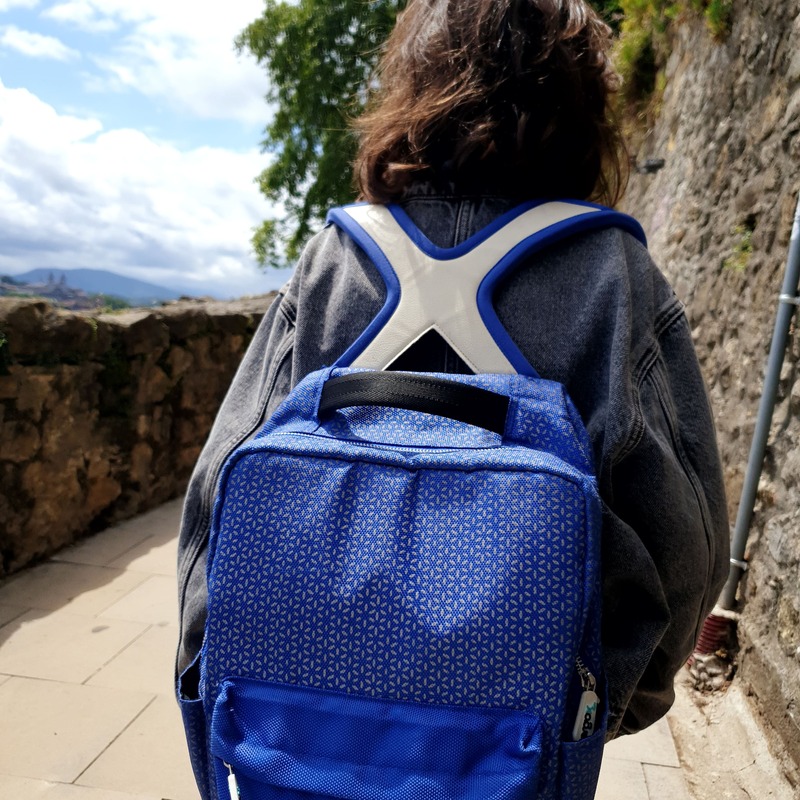
ergox small
La mochila que cuida la salud de tu hijo.
 Reflectante, impermeable
 Desde 1 a 4º de Primaria
 Altura de 118 a 155 cm
 X 5 materias + complementos
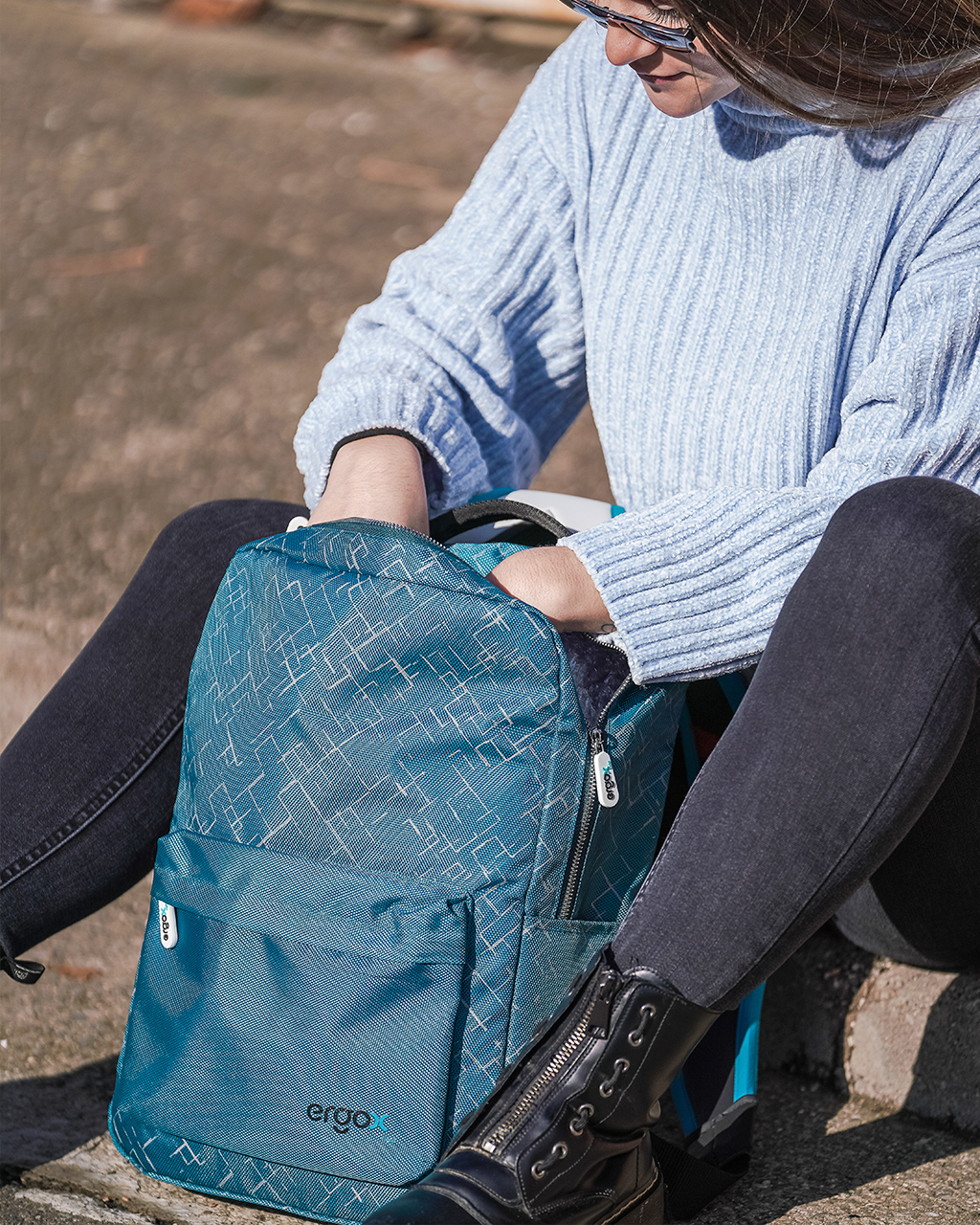
ergox medium
Mejora el día a día cuidando tu espalda.
- Reflectante, impermeable
- ESO, Bachillerato o Superior
- Desde 155 cm en adelante
- X 5 materias + complementos
 Bolsillo interno portátil 17″
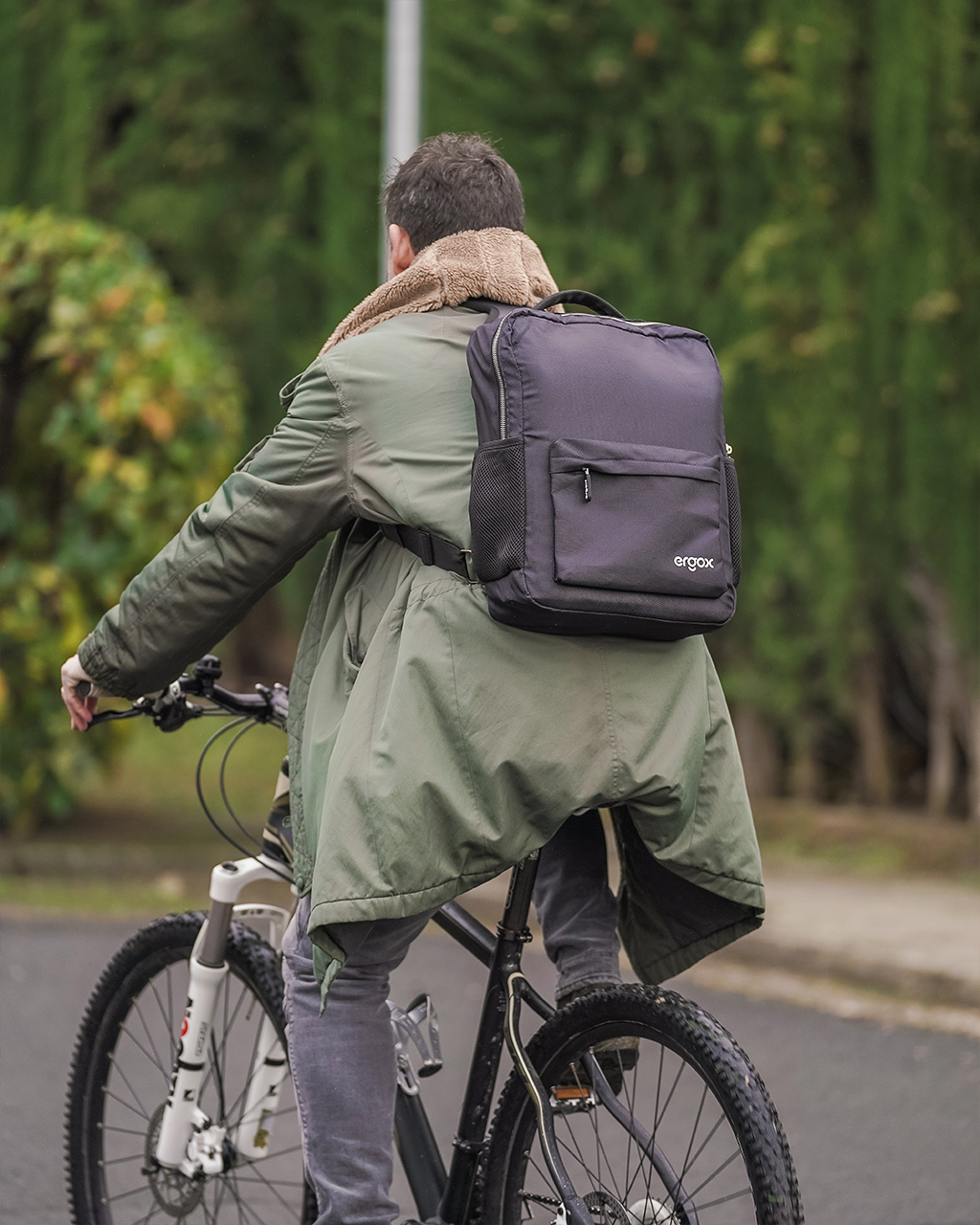
ergox executive
Mejora tu día a día, también en el trabajo.
 14 Litros, 30 x 40 x 12 cm
 Ejecutivo, trabajadores
- Desde 155 cm en adelante
- Bolsillo interno portátil 17″
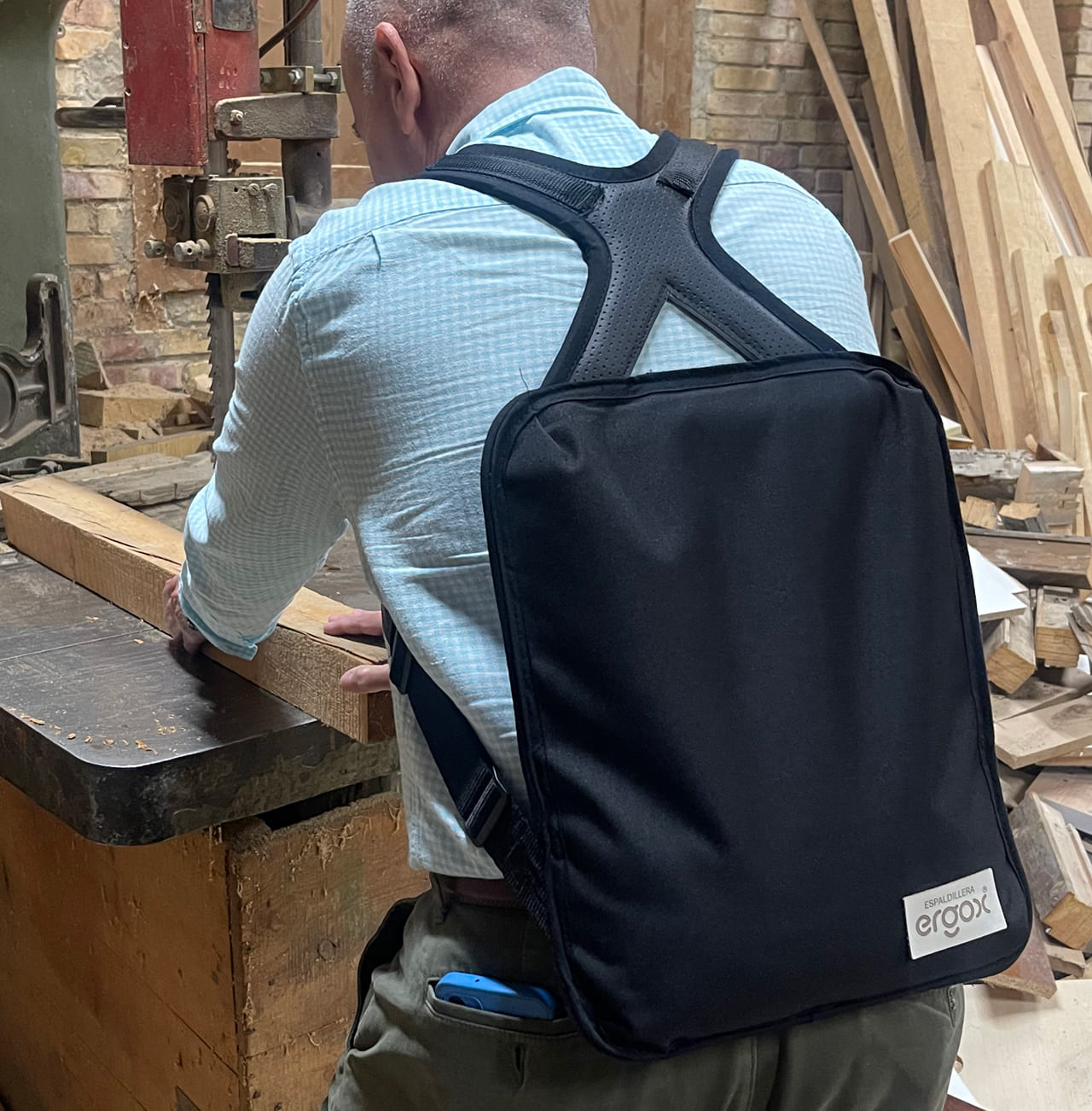
ergox Corrector
El corrector postural ergonómico más fácil de colocar.
 Creado por ortopedas expertos
 Transforma tu silla en ergonómica
 Trabajos en bipedestación
 Tareas domésticas y cotidianas
 Paseos y deporte activo
Ergonomía perfecta
Minimiza la sensación de peso y maximiza el cuidado de tu espalda.
El nuevo concepto de mochila que revoluciona totalmente los modelos utilizados hasta ahora.
Alinea la columna a nivel cervical
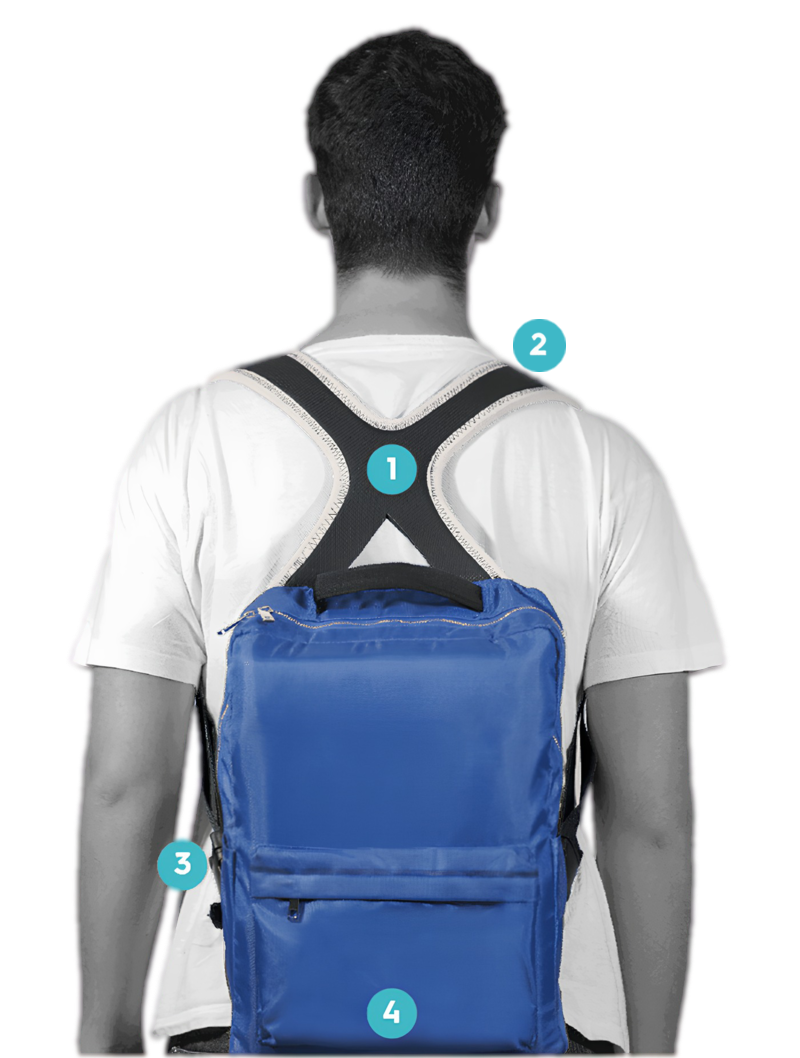
- Distribuidor del peso especifico con apoyo en la columna, mejorando la cifosis dorsal.
- Tracción posterior en los hombros y mejor distribución de las fuerzas mecánicas.
- Zona lumbar. Peso vertical. Gravedad Peso disminuido.
- Menor percepción del peso en lazona lumbar.
Relaja la tensión muscular en la zona lumbar
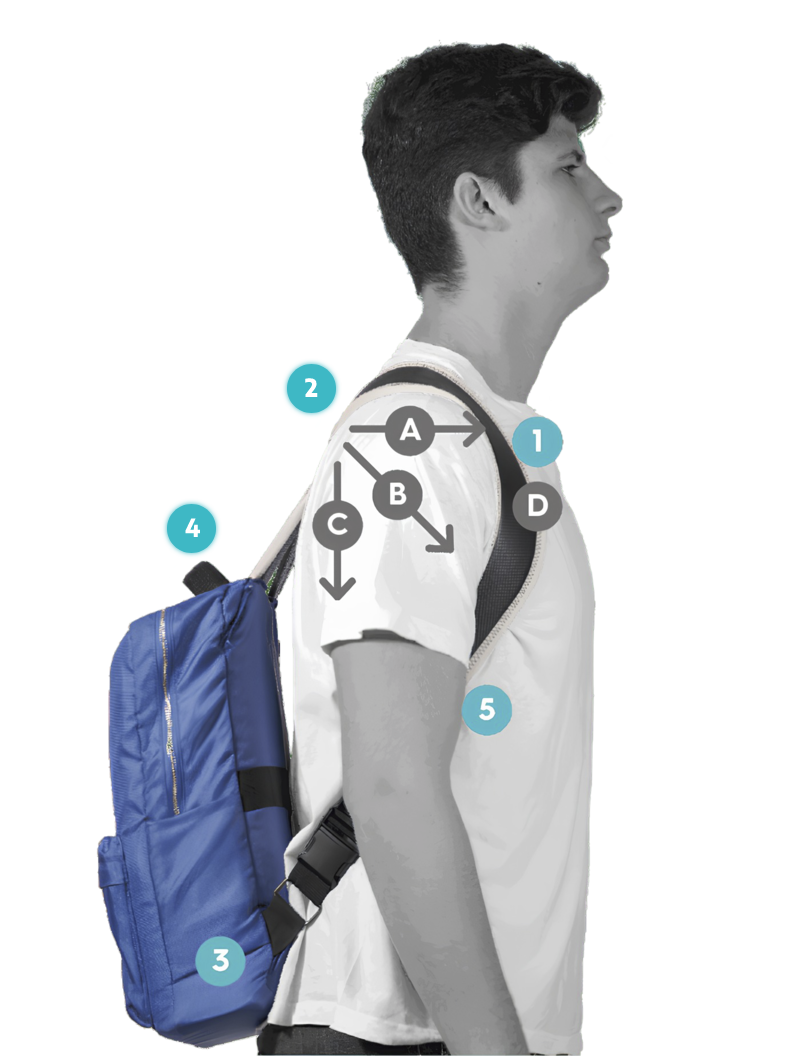
- Menor carga en los hombros.
- Contribuye a enderezar la espalda en la zona dorsal media/alta.
- Evita lesiones por sobrecarga en la zona lumbar.
- Ayuda a mantener el tronco erguido y a caminar de forma más correcta.
- Previene problemas futuros de espalda.
Reduce la hiperlordosis lumbar
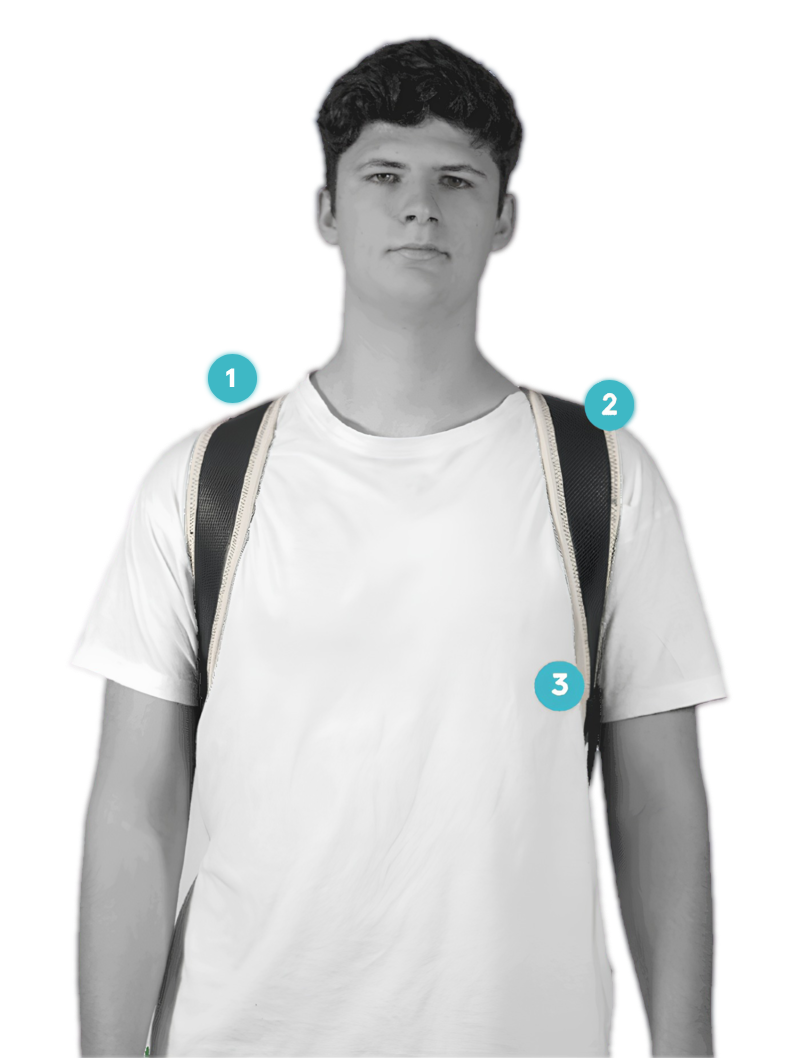
- Tirantes ergonómicos acolchados y ajustables.
- La tracción posterior en los hombros logra una mejor distribución de las fuerzas mecánicas verticales.
- Ajuste perfecto a medida pero sin producir molestias en las axilas.